

Oleic acid is the most common fatty acid on Earth. It fills olive oil, shows up in nuts and meat, and passes through the human gut every day. So it is a little strange that we have overlooked what our resident bacteria do with it. A team reporting in Nature Microbiology followed one such transformation and landed on a molecule that quiets inflammation in the mouse colon.
The molecule is 10-oxostearic acid, or 10-oxoSA. Gut microbes make it from oleic acid. On its own that would be a minor piece of metabolic trivia. What makes it interesting is where the molecule goes next. The researchers found that 10-oxoSA latches onto PPAR-alpha, a receptor inside host cells that senses lipids and switches on genes tied to fat handling and inflammation control. And it binds tightly. The team reports that 10-oxoSA sticks to PPAR-alpha more firmly than the natural ligands scientists already knew about.
A fat, a bug, and a receptor walk into a colon
This is a three-part relationship, and each part matters. The diet supplies oleic acid. The microbiome rewrites it into 10-oxoSA. The host receptor reads the new molecule as a signal. Break any link and the chain goes quiet. That is the kind of arrangement microbiome researchers keep hoping to find, because it points to a lever you can actually pull.
To see whether the signal did anything useful, the group turned to a mouse model of colitis, a stand-in for inflammatory bowel disease. Giving the animals 10-oxoSA protected them. When the researchers removed PPAR-alpha, the protection vanished. So the benefit runs through that receptor and not some side route. Transcriptomics across several tissues showed 10-oxoSA turning up helpful PPAR-alpha target genes in the ileum and colon, including some in pathways nobody had linked to this receptor before.
Why the liver did not overreact
PPAR-alpha is best known for its work in the liver, where it governs fat metabolism. Flooding that system can cause trouble. The appealing part of this result is that 10-oxoSA seemed to steer around the harmful hepatic responses while still switching on the good intestinal ones. In other words, the molecule acted with some selectivity rather than hitting the receptor everywhere at once.
The safety picture held up over time. Prolonged oral dosing was well tolerated in the gut and liver, and it barely nudged the composition of the gut microbiota. A treatment that fixes inflammation but wrecks the microbial community would be a poor trade. This one appears to leave the neighborhood mostly intact.
What this does and does not show
Keep the frame narrow. This is mouse work plus biochemistry and structural analysis, not a human trial. Chemically induced colitis in a lab mouse is a useful model, but it is not Crohn's disease or ulcerative colitis in a person, and drugs that shine in that setting have stumbled in clinics before. The study also does not establish that eating more olive oil raises your 10-oxoSA levels or does anything for your gut. That depends on which microbes you carry and how much of the conversion actually happens inside a living human. Those are open questions.
Still, the logic is clean and worth sitting with. A fatty acid we consume constantly gets remade by our microbes into something the body reads as an anti-inflammatory cue, and the researchers traced the full path from food to bug to receptor to outcome. They frame 10-oxoSA as a natural diet-microbiota-host axis with room for anti-inflammatory interventions. Whether that becomes a supplement, a drug, or a way to engineer the microbes that produce it, the appeal is the same. The starting material is already in the pantry, and the machinery is already in the gut.
Liu, J. et al. "Microbial 10-oxostearic acid protects mice against colitis via the nuclear receptor PPARalpha." Nature Microbiology, 2026. doi.org/10.1038/s41564-026-02321-7
PubMed PMID: 41951975.
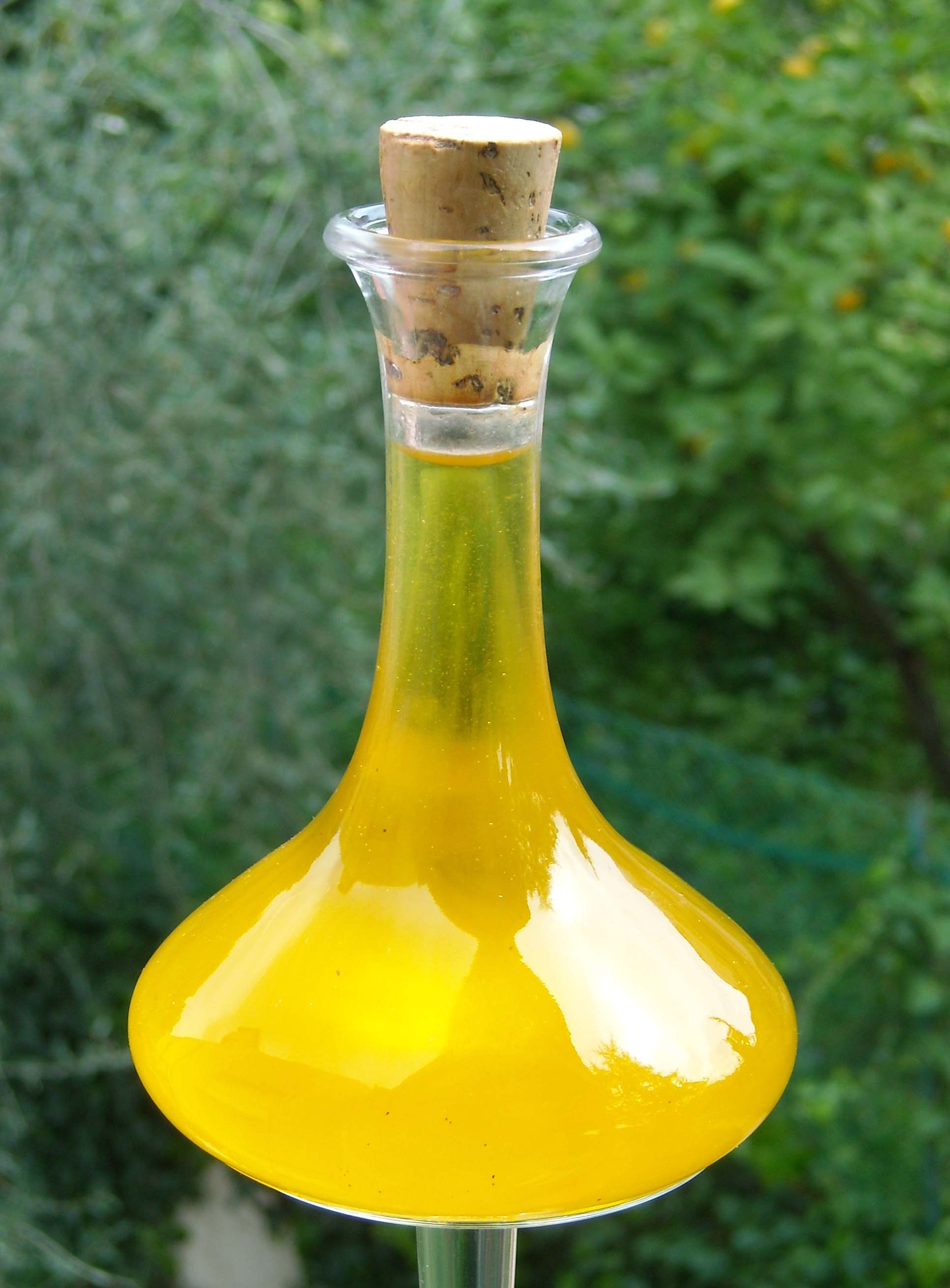
Photograph: Lemone, CC BY-SA 4.0, via Wikimedia Commons.
Comments