


Having a baby changes you. Mothers have said as much for centuries, and neuroscientists have spent the last decade confirming that pregnancy and the postpartum period reshape the brain in ways that persist for years. What has been missing is the how. What actually rewires those circuits, and what makes the change stick? A paper published this week in Nature offers an unusually concrete answer, and it points to a familiar chemical: dopamine.
The team, led by researchers in Ian Maze's lab, started by mapping gene activity across the whole brains of female mice that had gone through pregnancy and rearing pups. One region lit up more than any other. The dorsal hippocampal formation, a structure tied to memory and spatial navigation, showed the heaviest transcriptional remodelling. That is where the story narrows.
A chemical tag that outlasts the pregnancy
Dopamine is usually described as a signaling molecule, the stuff that ferries messages between neurons. But dopamine has a second, stranger job. It can be attached directly onto histones, the spool-like proteins that DNA winds around. This modification, called H3 dopaminylation, changes how tightly genes are packed and therefore which ones get read. It is a form of epigenetic bookkeeping, and it can persist long after the dopamine surge that created it has faded.
Using single-cell RNA sequencing, the researchers found that reproductive experience shifted the pattern of H3 dopaminylation in the dorsal hippocampus. Those marks, in turn, drove lasting changes in gene expression and in behavior. This was not just a correlation the team observed and moved on from. They showed it was causal. When they used chemogenetics to switch off dopamine release into the region in virgin female mice, the animals started to look, at the molecular and behavioral level, like mothers. Suppressing dopamine one way reproduced key features of the maternal brain. That is a strong claim, and the sufficiency experiment is what backs it up.
Stress can pull the marks back off
The findings do not paint motherhood as a one-way switch. The group also ran a maternal separation paradigm, repeatedly separating mothers from their pups to model chronic postpartum stress. That stress disrupted the normal adaptations. It altered dopamine dynamics in the dorsal hippocampus, which shifted the dopaminylation marks, which changed downstream genes and behavior. So the same mechanism that writes the maternal brain can be perturbed by early-life adversity. Given how common postpartum stress and depression are, that link is worth sitting with.
What lifts this out of pure mouse biology is the human tissue. The researchers examined the dorsal subiculum, part of the same hippocampal formation, in postmortem human brains. They found parity-dependent patterns of H3 dopaminylation and gene expression, meaning the marks tracked with whether a woman had given birth. The mechanism, in other words, appears conserved between mice and people.
What the study does not settle
Worth keeping the boundaries in view. The human data are cross-sectional snapshots from donated brain tissue, not a window into living, changing brains, and correlation in postmortem samples cannot prove the same causal chain the mouse experiments demonstrate. The behavioral readouts in mice do not map cleanly onto the emotional texture of human motherhood. And while chronic separation stress disrupted the adaptations, the work does not show that this pathway causes postpartum depression in people, or that nudging dopaminylation could treat it. That is a hypothesis the paper opens up, not a conclusion it reaches.
Still, the result reframes a familiar experience in molecular terms. The sense that parenthood permanently changes a person may reflect, at least in part, dopamine leaving durable marks on the genome's packaging. It also hints at why stress in the early postpartum window can cast a long shadow. If those marks can be written, and stress can partly erase them, the machinery that maintains a healthy maternal brain becomes a target worth understanding. For now the work stands as a careful piece of mechanism, tying a mood chemical to the lasting architecture of the parenting brain.
O'Chan, A. et al. "Dopamine drives persistent remodelling of the maternal brain." Nature, 2026. doi.org/10.1038/s41586-026-10509-4
PubMed PMID: 42162419.
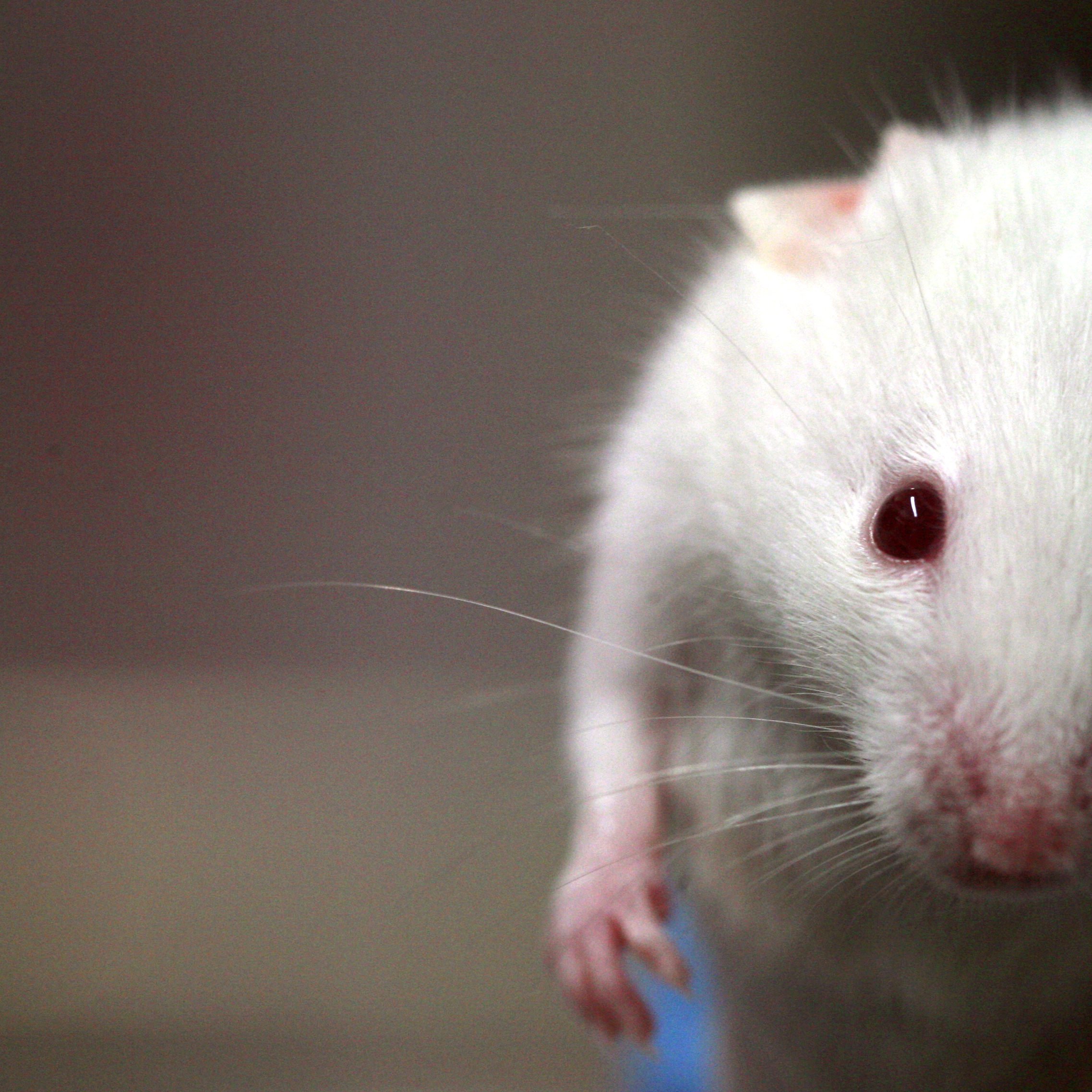
Photograph: Rama, CC BY-SA 2.0 fr, via Wikimedia Commons.
Comments