

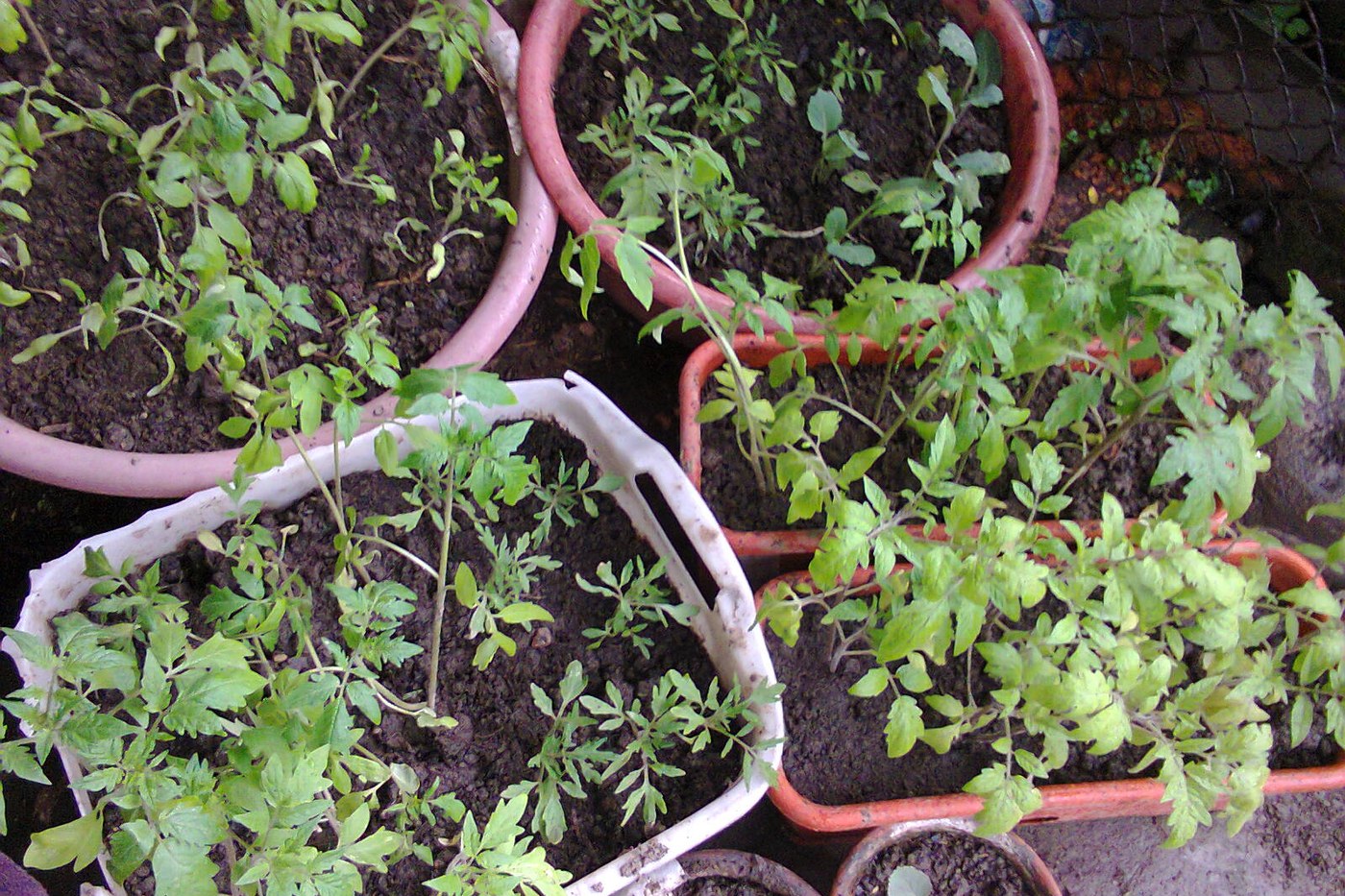

Breeders have spent decades pushing a single trait into a crop at a time. More vitamin C here, a splash of provitamin A there. Stacking several of those gains into one plant has usually meant crossing lines for years and watching some traits slip back as others improve. A team led by Yechun Hong decided to skip the waiting. They rewrote five genes in tomato at once and grew a fruit carrying seven useful compounds at higher levels than normal.
The work, published in PNAS, targets what nutritionists call hidden hunger: diets that fill stomachs but lack the micronutrients bodies need. Tomatoes are eaten almost everywhere, which makes them an attractive vehicle. The question was whether you could load one up without breaking it.
Editing five genes to change seven traits
The group built a multiplex CRISPR-Cas construct aimed at five genes in the tomato genome. Editing those targets simultaneously produced quintuple mutant lines, plants carrying all five changes together rather than one at a time. The payoff showed up across several separate metabolic routes inside the fruit.
The numbers are worth reading slowly. Vitamin D climbed from none at all to 0.70 micrograms per gram of dry weight, meaning the edited fruit now makes a nutrient the ordinary version simply does not produce. Vitamin C rose up to 2.53-fold. Provitamin A in the form of beta-carotene went up as much as 3.86-fold, with alpha-carotene up to 2.47-fold and lutein up to 3.26-fold. Lycopene, the pigment that gives tomatoes their red color, increased up to 7.07-fold. GABA, a compound linked to blood-pressure regulation, rose up to 5.26-fold.
Piling changes onto a plant often comes at a cost. Reroute enough of a fruit's chemistry and it may grow poorly, ripen oddly, or lose flavor. The authors report no significant trade-offs in plant growth or fruit quality in their edited lines. That is the part that makes the approach look practical rather than just clever.
From the greenhouse to a mouse tumor model
The team did not stop at measuring compounds. They tested what the edited fruit might do in a body. Extracts from the multibiofortified tomatoes suppressed the growth of colorectal cancer cells in culture. To check whether that held up in a living animal, they fed tomato powder to mice carrying human tumor grafts. Dietary supplementation with the edited tomato powder significantly slowed tumor growth in that xenograft model.
The researchers frame the result as a step toward functional foods, everyday crops engineered to do double duty against both micronutrient shortfalls and chronic disease. A single nutrient-dense fruit is easier to distribute and eat than a shelf of supplements.
What the study does not settle
A mouse xenograft is a long way from a human clinical outcome, and the anticancer effect was measured for colorectal cells specifically, not as a general claim. Cell-culture and animal results frequently look stronger than what follows in people. The vitamin D figure, while notable because it starts from zero, is still modest per gram, so how much a normal serving delivers depends on portion size and how the fruit is prepared and stored. There is also the regulatory question. Gene-edited crops face different approval rules across countries, and a lab line is not the same as a variety cleared for a supermarket.
Still, the design point stands. Editing several pathways together, and getting all the intended changes in one plant without wrecking its growth, has been the hard part of crop biofortification. This tomato shows it can be done in a single generation. Whether it reaches a plate is a separate story, one that runs through field trials and regulators rather than the greenhouse.
Hong, Y. et al. "Multiplex gene editing enables the multibiofortification of essential vitamins and other health-promoting phytonutrients in tomato." Proc Natl Acad Sci U S A, 2026. doi.org/10.1073/pnas.2603937123
PubMed PMID: 42201953.
Photograph: domdomegg, CC BY 4.0, via Wikimedia Commons.
Comments