


The gene therapy did what it was supposed to do. A boy with Hurler syndrome, the most severe form of the metabolic disease mucopolysaccharidosis type I, received an injection of a virus carrying a corrective gene into the fluid around his brain. Years on, his cognition was tracking ahead of what the disease usually allows. Then, at age nine, doctors found a tumor growing in his brain.
A report published this week in The New England Journal of Medicine lays out what happened, and why it matters for one of the most closely watched fields in medicine. The therapeutic virus had done more than deliver its cargo. In at least one cell, it had spliced itself into the child's own DNA, landing inside a gene that can drive cancer when it is switched on. That cell grew into the tumor.
How a fix becomes a flaw
The vehicle here is adeno-associated virus, or AAV, the workhorse of modern gene therapy. AAV is popular partly because it is thought to mostly stay separate from the patient's chromosomes, floating in the nucleus rather than cutting into the genome. "Mostly" is the operative word. Rare insertion events have been documented, and in newborn mice, AAV integration has been tied to liver tumors for years. Whether that risk carried over to humans has been an open and uncomfortable question.
This case supplies a concrete human answer. The boy had received AAV serotype 9 delivered into the cisterna magna, a space at the base of the skull, to treat his MPS I. Four years later a neuroepithelial tumor appeared. Surgeons removed it, and the child recovered well. When researchers at the Children's Hospital of Philadelphia and the University of Pennsylvania took the tumor apart molecularly, they found the smoking gun: rearranged pieces of the AAV vector had integrated as a single clone into the boy's DNA, and the insertion sat next to PLAG1, a gene known to fuel certain tumors when overexpressed. The cells were making a fused AAV-PLAG1 transcript, a readout that the viral landing spot had cranked the gene on.
One patient, not a verdict
It is worth being careful about what a single case does and does not establish. This is one child, one tumor, one vector, one delivery route. The report cannot tell us how often AAV integration leads to cancer, whether the intracisternal route carries special risk, or how this compares with the tens of thousands of doses of AAV gene therapies given for other conditions without a documented tumor of this kind. Causation in the biological sense looks strong here, given the clonal integration and the chimeric transcript. But a frequency, a rate, an odds ratio, none of that comes from one patient. Those numbers will have to come from long-term follow-up across many treated people.
There is also the other side of the ledger, which the report does not let you forget. Untreated Hurler syndrome is brutal, causing progressive cognitive decline and early death. The boy's advanced cognition years after treatment suggests the therapy was genuinely blunting his disease. The tumor was resectable. Weighed against the natural history of severe MPS I, the calculus is not simple, and the authors do not pretend it is.
What the field does with this
For the people designing and regulating these treatments, the finding sharpens a question that was easy to wave away when the evidence lived only in mouse studies. Integration is not purely theoretical. It can happen, it can hit a cancer-related gene, and it can matter clinically. That argues for careful, long-horizon surveillance of gene therapy recipients, and for continued work on vector designs and delivery methods that lower the odds of a viral insert ever landing somewhere dangerous.
None of this reads as a reason to abandon AAV. It reads as a reason to watch it closely. Gene therapy has moved from promise to product for several devastating inherited diseases, and its patients are now living long enough for rare, late effects to surface. Catching one, tracing it to its molecular cause, and publishing it in full is exactly how a young field earns trust. The uncomfortable data point is also the useful one.
Ahrens-Nicklas, R. C. et al. "Neuroepithelial Tumor with AAV Integration after Intracisternal Magna Vector Delivery." The New England Journal of Medicine, 2026. doi.org/10.1056/NEJMoa2601608
PubMed PMID: 42127296.
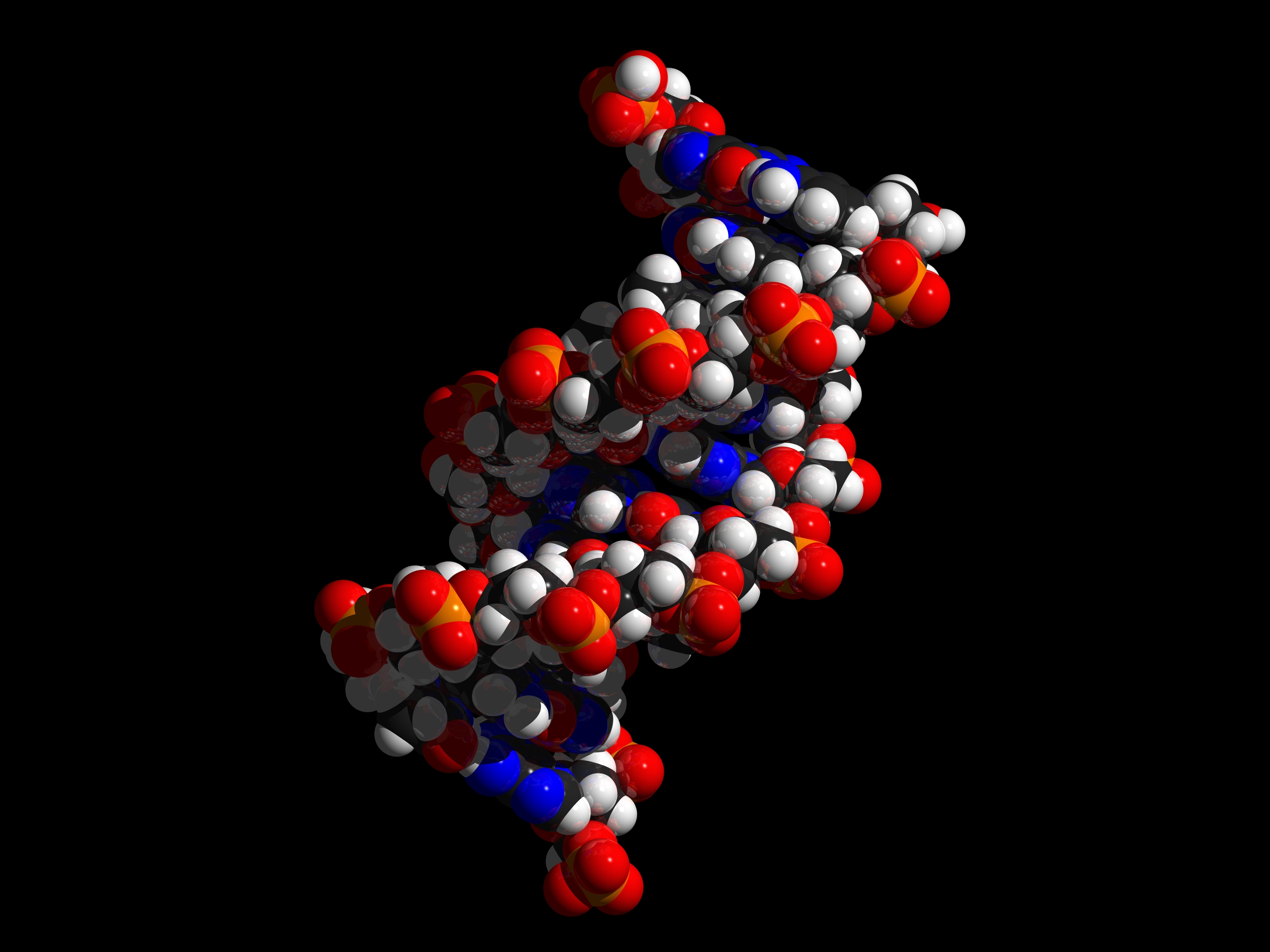
Photograph: Ude, Public domain, via Wikimedia Commons.
Comments