


Two people start on the same weight-loss injection. One drops 15 percent of their body weight and feels fine. The other loses a couple of pounds and spends the first month fighting nausea. Doctors have watched this pattern for years without a clean explanation. A study published this week in Nature points to part of the answer, and it sits in the DNA.
Researchers at the 23andMe Research Institute ran a genome-wide association study on 27,885 people who had taken GLP-1 receptor agonists. These are the drugs behind the recent shift in obesity care, including semaglutide (sold as Ozempic and Wegovy) and tirzepatide (Mounjaro and Zepbound). The participants reported how much weight they lost and whether they had side effects. The team then scanned their genomes to see which inherited differences tracked with those outcomes.
A single letter in the target gene
The strongest signal landed exactly where a drug developer might hope, and also fear, to find it. It was a missense variant in GLP1R, the gene that codes for the very receptor these medications are built to activate. A missense variant changes one amino acid in the protein. This one was tied to greater weight loss, with a statistical strength of P = 2.9 x 10 to the negative something (the association cleared the genome-wide bar by a wide margin). Each copy of the effect allele came with an extra 0.76 kilograms of weight loss, roughly one and a half pounds.
That number is small on its own. Nobody carries a single gene that decides whether the drug works. But it is direct genetic evidence that variation in the drug's own target changes how well the drug does its job. That is a cleaner causal story than most obesity genetics can offer, because the biology runs straight from the DNA to the receptor to the outcome.
The nausea question
Side effects had their own genetic fingerprint. The researchers found variants in both GLP1R and GIPR linked to medication-related nausea or vomiting. The GIPR connection is worth pausing on. GIPR is the second receptor that tirzepatide hits, the thing that separates it from semaglutide. Fittingly, the GIPR-nausea association showed up only in people taking tirzepatide. The genetics matched the pharmacology, which is the kind of internal consistency that makes a result more believable.
Put together, the team built a broader model of drug response and showed they could sort patients by both expected benefit and side-effect risk. In plain terms, a saliva sample might one day help predict whether a given person is likely to respond well, tolerate the drug poorly, or both.
What this does not settle
The weight-loss and side-effect data were self-reported, not measured on a clinic scale or logged in a trial. Self-report is workable at this scale but noisier than supervised measurement, and people who lose more weight may remember and report differently. The cohort came from 23andMe's customer base, which skews toward people of European ancestry, so the variants found here may not carry the same weight in other populations. And a 0.76-kilogram-per-allele effect is not a switch that turns the drug on or off. This is a contribution to variability, not the whole of it. Diet, dose, adherence, and everything else still matter.
There is also the gap between "can stratify" and "should prescribe based on this." The paper demonstrates the model works statistically. It does not show that genotyping patients before starting a GLP-1 drug improves real outcomes, which is a question for prospective trials, not a retrospective scan.
Still, the finding does something useful. It grounds the frustrating variability of these blockbuster drugs in specific, testable biology rather than hand-waving about metabolism. The obesity field has spent decades short on genetic targets that behave this predictably. Watching the response to a drug bend around variants in the drug's own receptor genes is about as direct a lead as this kind of study produces, and it hands the precision-medicine version of obesity care a real place to start.
Su, Q.J. et al. "Genetic predictors of GLP1 receptor agonist weight loss and side effects." Nature, 2026. doi.org/10.1038/s41586-026-10330-z
PubMed PMID: 41951734.
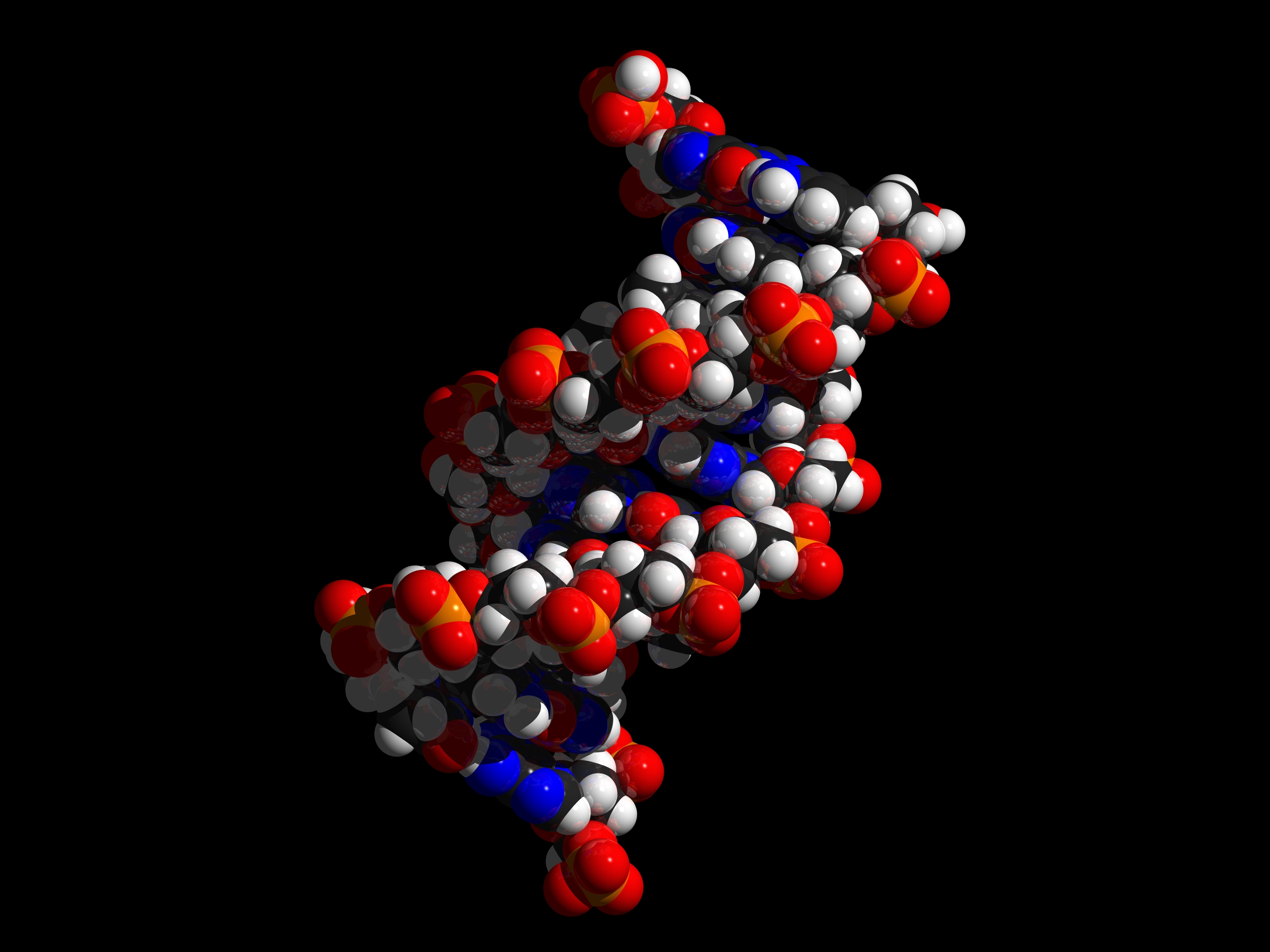
Photograph: Ude, Public domain, via Wikimedia Commons.
Comments