Cut down a patch of tropical rainforest and walk away. What grows back, and how long does it take to look like the real thing again? For trees, ecologists have a decent answer. For the tangled web of insects, birds, bats, fungi and everything else that actually makes a forest a forest, the picture has been much blurrier. A study in Nature now fills in a lot of that blank, and the news is more encouraging than you might expect.
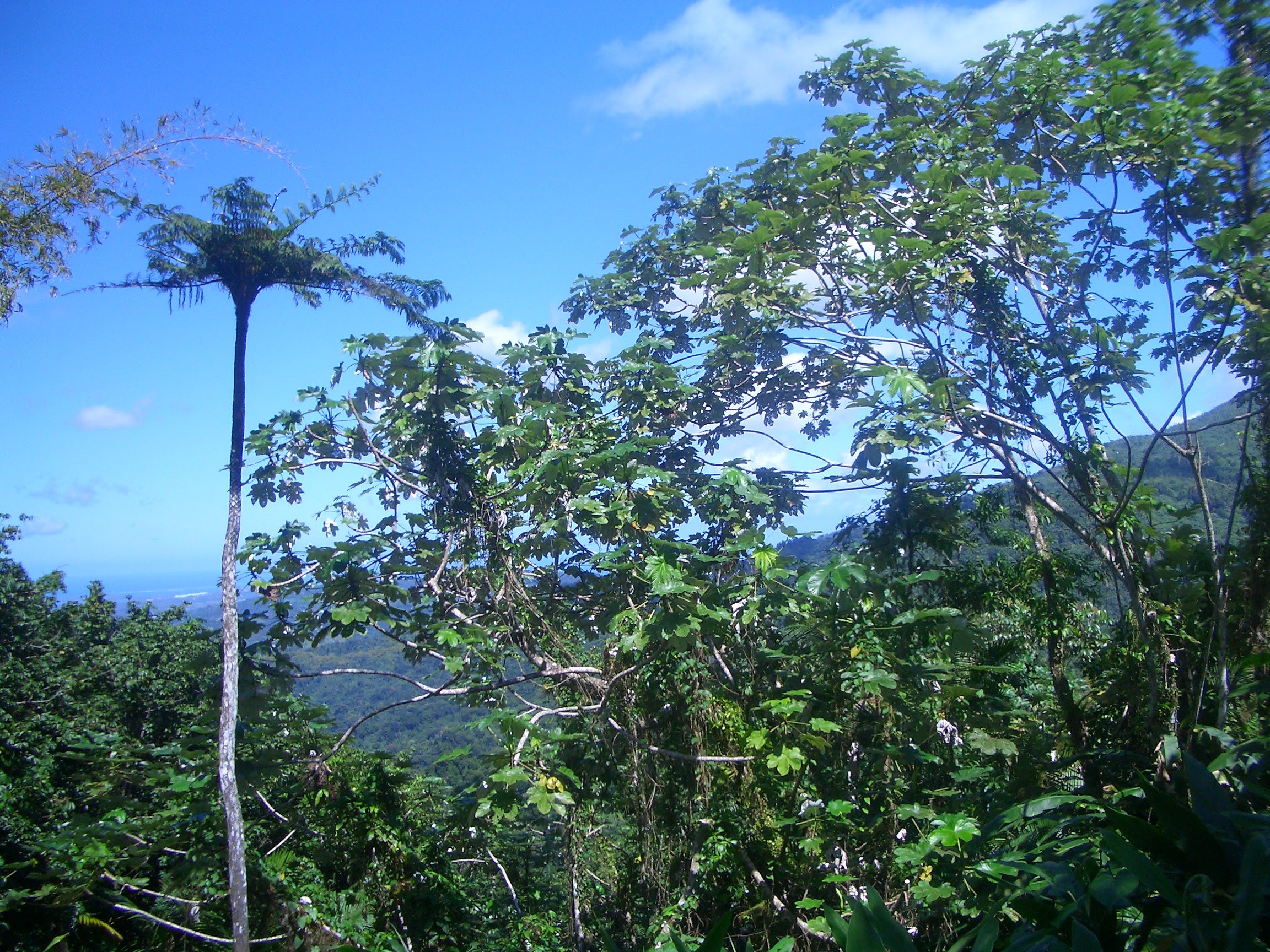
A large team led by Timo Metz and Nico Bluethgen at the Technical University of Darmstadt tracked recovery across an entire community, not just the trees. They surveyed 16 taxonomic groups spanning three kingdoms in a lowland tropical forest, comparing patches at different stages of regrowth against nearby old-growth forest. The question was simple to state and hard to measure. As a cleared area recovers, how fast does its living community come back, and does everything come back at the same pace?
Ninety percent back in three decades
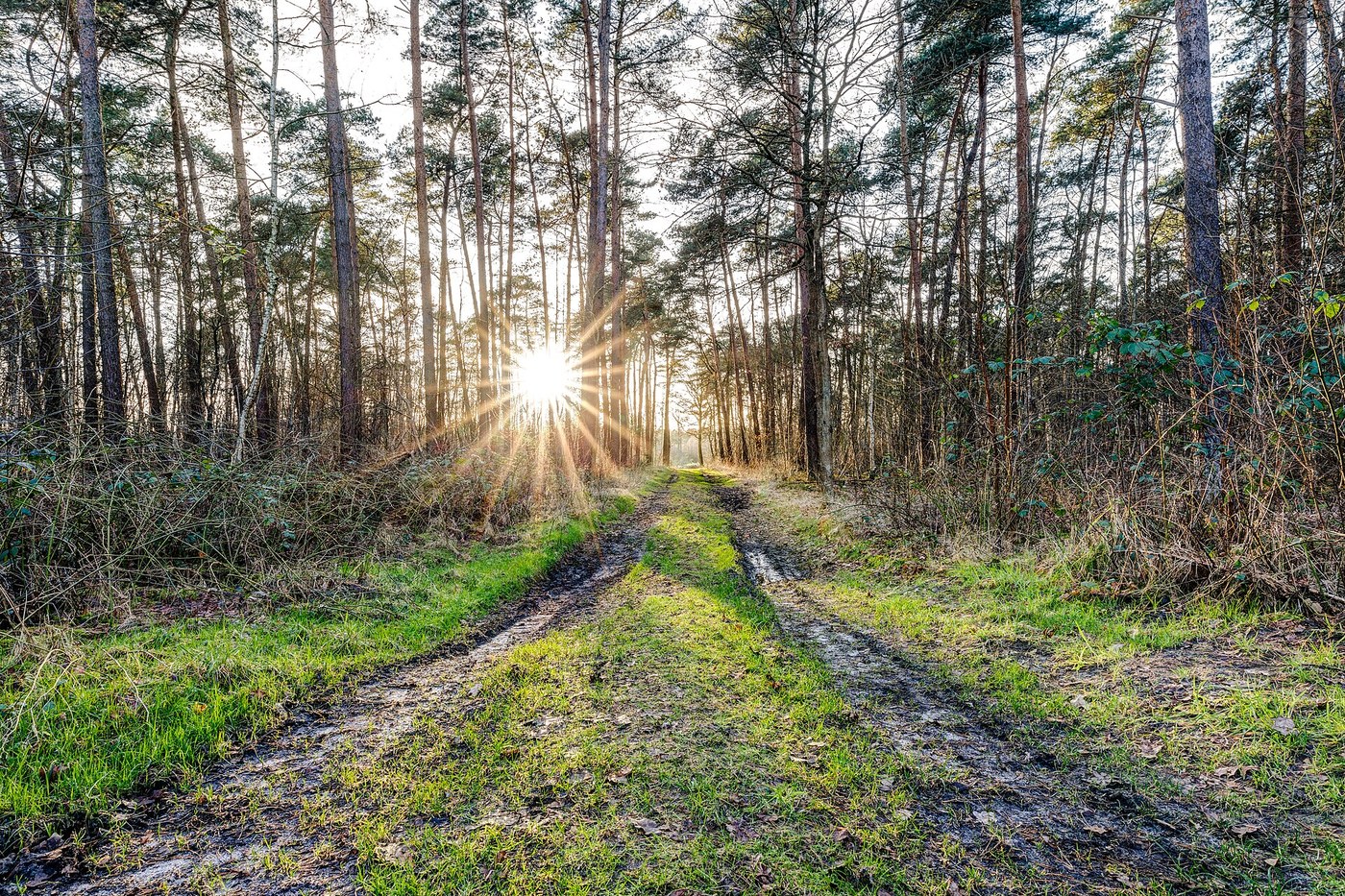
The headline numbers are striking. Within about 30 years, abundance and diversity had climbed back to more than 90% of old-growth levels. The actual mix of species, what ecologists call composition, reached roughly 75% similarity to undisturbed forest in that same window. That is a lot of forest returning in a single human generation.
But the authors are careful about the word "full." Regaining 90% of your diversity is not the same as being whole. The last stretch, getting composition all the way back to what an ancient forest holds, still takes several more decades. Recovery is fast at first and then slows, and the rare or specialized species tend to be the stragglers. A young secondary forest can look green and busy while still missing pieces that only mature forest supports.
The animals that arrive first
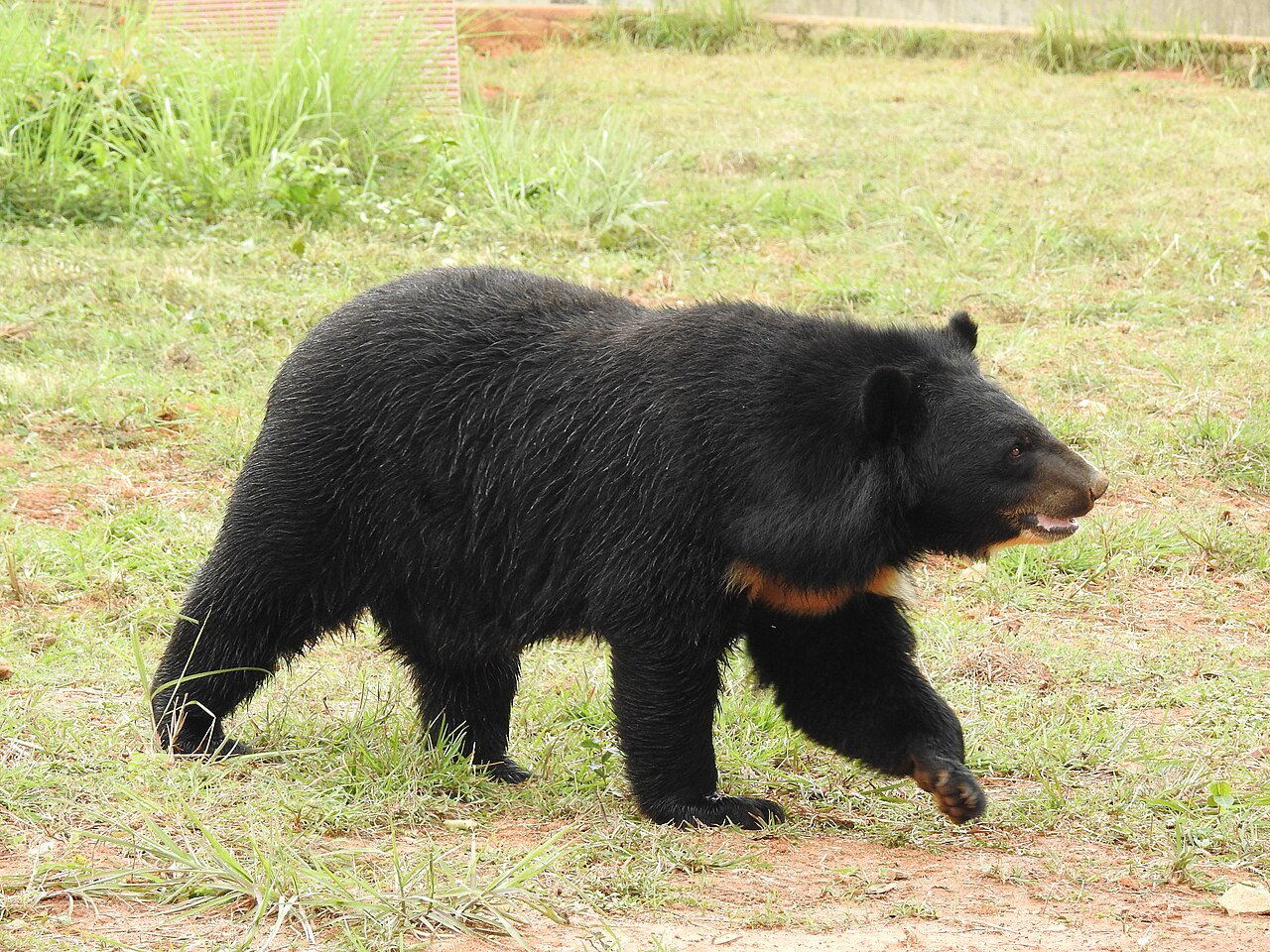
One of the more interesting findings is about who recovers quickly and who lags. Mobile animals that move pollen and seeds around, think of certain birds and bats, showed high resistance to the initial disturbance and bounced back faster than the trees and tree seedlings themselves. That is a useful clue. These animals are not just passengers in the recovery. By ferrying seeds into regrowing land, they help drive it.
The team also separated two things that usually get lumped together: how much a community resists being knocked down in the first place, versus how fast it climbs back afterward. Return rate, the climbing-back part, mattered more. It contributed between one and 2.5 times as much as resistance to how long species composition took to recover. In plain terms, what a forest does after the damage counts for more than how well it absorbs the initial blow.
What the researchers could not do was find a tidy rule for predicting the pace of any given group. Recovery times did not line up neatly with life-history strategy, position in the food web, or mobility. Ants, moths, frogs, orchids, dung beetles, each seems to follow its own clock, and the obvious explanations do not sort them out. That messiness is worth sitting with. It means you cannot fully predict community recovery from a handful of simple traits.
Reading the fine print
A few limits are worth naming plainly. This is one forest region, a lowland tropical site, so the exact timelines may not transfer to drier forests, higher elevations or landscapes that have been farmed and burned for generations. The comparison is against local old-growth reference plots, which sets a high but site-specific bar. And a chronosequence, comparing patches of different ages at one moment rather than following one patch for a century, is a practical stand-in for time that carries its own assumptions. The 30-year figure describes this system, not every degraded tropic on Earth.
Still, the practical message lands hard. Roughly 60% of the world's tropical forests have already been lost or badly degraded, and the UN Decade on Ecosystem Restoration is trying to reverse that. Expensive tree-planting schemes get most of the attention. This work makes a quieter case: protect the secondary forests that are already regrowing on their own, and much of the biodiversity comes back for free. Sometimes the most effective restoration is getting out of the way and guarding what nature is already doing.
Metz, T. et al. "Biodiversity resilience in a tropical rainforest." Nature, 2026. doi.org/10.1038/s41586-026-10365-2
PubMed PMID: 41951739.
Photograph: EgorovaSvetlana, CC BY-SA 4.0, via Wikimedia Commons.
Comments