


When a patient in the neuro-ICU has fluid building up around the brain, surgeons often place an external ventricular drain. It is a thin tube that runs from a ventricle deep in the brain out through the skull, letting excess cerebrospinal fluid escape and relieving dangerous pressure. The drains save lives. They also fail quietly. They clog, they get infected, and the first sign is often a patient who is suddenly worse.
Right now, the way to know what is happening inside that fluid is to draw a sample and send it to a lab. Results come back hours later. A team writing this week in Science Translational Medicine built a device meant to close that gap. They call it NeuroSense, and it sits inline with a standard drain, reading the fluid as it flows past.
Four readouts from one clip-on
NeuroSense tracks four things at once. Glucose and lactate are measured with aptamer-based electrochemical biosensors, which use short strands of DNA that grab a specific molecule and produce an electrical signal. A polydopamine coating handles pH. An impedance sensor watches the flow rate, which matters because a drain that stops draining is a drain in trouble.
Those four numbers are not arbitrary. In cerebrospinal fluid, falling glucose and rising lactate are classic markers of infection, the bacteria essentially eating the sugar. A shift in pH points the same direction. And flow tells you whether the hardware itself is working. The idea is to read all four continuously instead of catching them in a single snapshot sent to the lab.
The engineering problem is that CSF is a harsh place for a sensor to live. It has to survive there for days, tolerate the ethylene-oxide gas used to sterilize medical equipment, and keep reading accurately the whole time. The group reported that the sensors held up in human cerebrospinal fluid for several days, stayed specific to their targets, and came through sterilization intact.
From the bench to actual patients
Plenty of biosensors work beautifully in a beaker and fall apart in a hospital. This one went further. After validating the device in simulated conditions, the team put it on patients admitted to an intensive care unit. There, the sensor readings tracked closely with the standard clinical lab measurements the hospital was already running.
That agreement is the part that matters. It means the device is not inventing its own version of the truth. It is reporting the same values doctors trust, just faster and without pulling a sample every time. The authors frame the payoff as temporal resolution: instead of isolated data points scattered across a day, clinicians could see a trend forming. A glucose line drifting down over a few hours, or a flow rate stuttering, would show up as it happened rather than after the fact.
The names on the paper are worth noting. The work runs through the University of Waterloo, with collaborators including Robert Langer of MIT, one of the most prolific figures in biomedical engineering. First author Fatemeh Keyvani led the sensor development.
What it does not prove yet
This is an early-stage clinical demonstration, not a finished product. The evaluation involved a small number of ICU patients, enough to show the sensor correlates with lab standards but not enough to say it changes what happens to those patients. Nobody has yet shown that catching an infection or a blocked drain earlier with NeuroSense leads to faster treatment or better recovery. That would take a much larger trial designed around outcomes, not just measurements.
There are also open questions the paper does not settle. How the sensors behave over the full length of a typical drainage course, how they perform across a wider range of patients and infections, and how the readings get integrated into the alarm-heavy environment of an ICU without adding noise. A trend line is only useful if someone acts on it correctly.
Still, the direction is clear. Neurocritical care has leaned on intermittent sampling for a long time, and intermittent means blind spots. A drain that can also sense, reporting on the fluid it carries as it carries it, turns a passive tube into something closer to a monitor. If the larger trials hold up, the hours patients currently spend waiting on a lab could shrink to minutes.
Keyvani, F. et al. "A platform for near real-time and multiplexed monitoring of cerebrospinal fluid biomarkers and flow in neurocritical care." Science Translational Medicine, 2026. doi.org/10.1126/scitranslmed.aeb1381
PubMed PMID: 42127221.
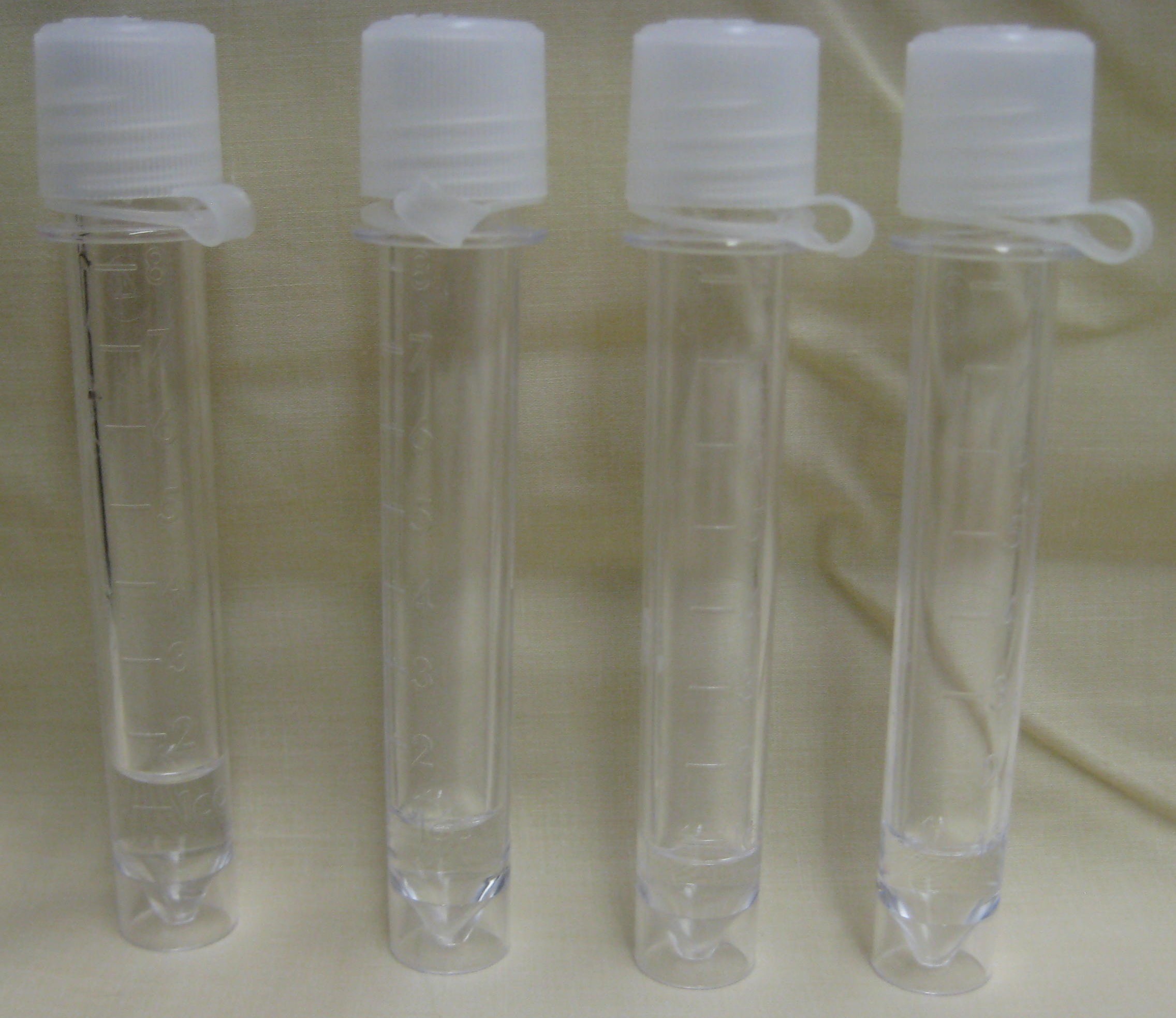
Photograph: James Heilman, MD, CC BY 3.0, via Wikimedia Commons.
Comments