

A child born with a particular kind of inherited deafness has two ears and, until recently, one chance. Gene therapy for the condition works by loading a corrected copy of the faulty gene into a harmless virus and delivering it into the inner ear. It has restored hearing to children who had never had it. But the treatment is usually given to one ear, and the immune system spends the following weeks learning the shape of that delivery virus and building antibodies against it. Come back to treat the second ear and those antibodies are waiting.
That is the awkward arithmetic behind a great deal of gene therapy: one shot, ever. A team in Shanghai has now given four young children a second dose in their untreated ear, months after the first, with the blocking antibodies already circulating in their blood. Hearing improved in the second ear in all four.
Why it matters: The inability to re-dose is one of the hardest practical limits on gene therapy as a whole, not just for deafness. If a second dose can work in the face of the antibodies the first one provoked, it changes what these treatments can be asked to do.
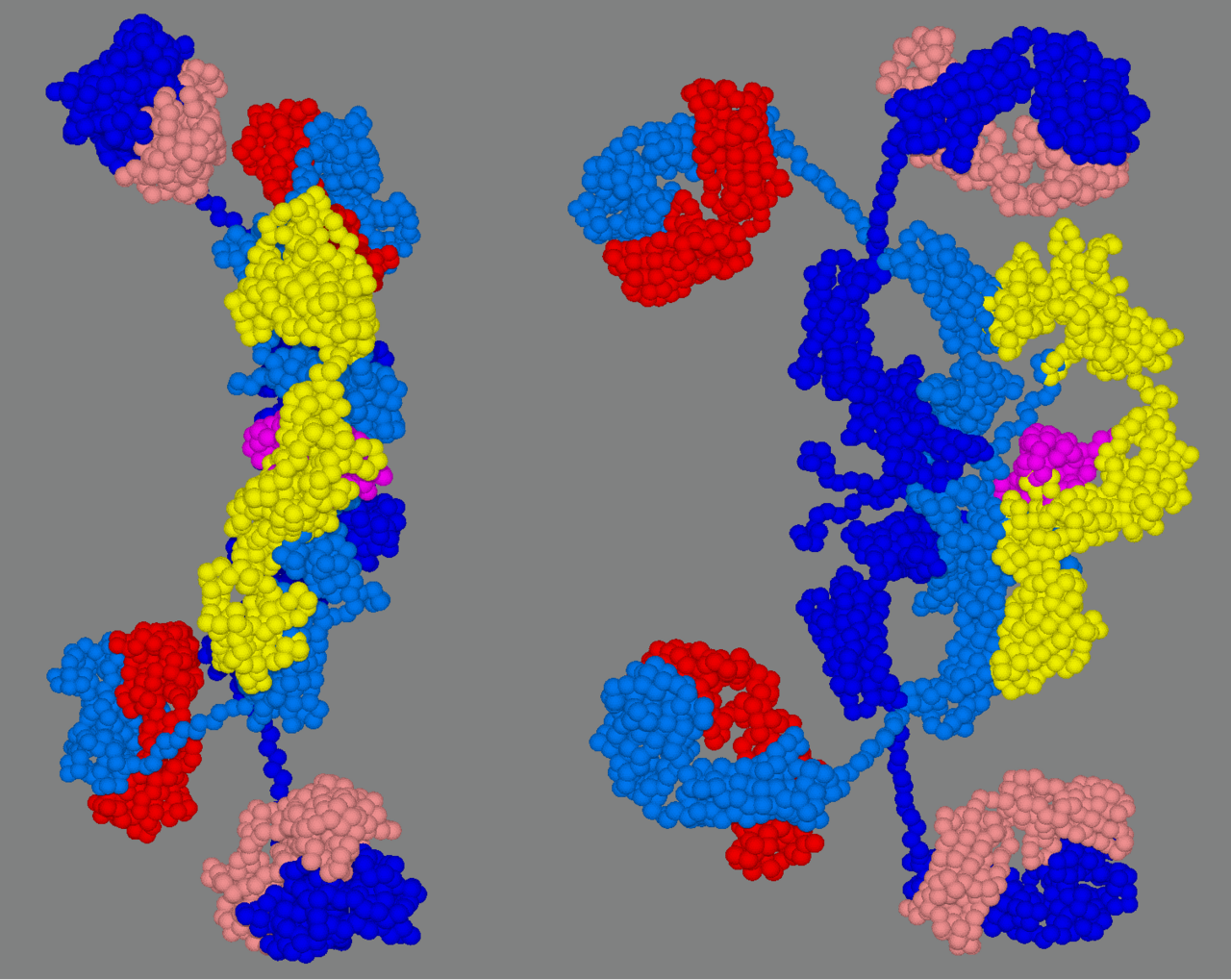
The trial, reported by Fan et al. at Fudan University's Eye and ENT Hospital in Shanghai, with a collaborator at Mass Eye and Ear in Boston, builds on the same group's earlier work showing a single dose was safe and improved hearing in people with this form of deafness. The condition traces to faults in a gene called OTOF, and the therapy delivers a working copy using an adeno-associated virus, or AAV, the mild and widely used delivery vehicle at the centre of the re-dosing problem.
Why gene therapy usually gets one shot
AAV is popular precisely because it is unalarming. It does not cause disease and it slips into cells easily. What it cannot do is stay invisible. After a dose, the body raises neutralizing antibodies, immune proteins that recognise the viral shell and latch onto it before it can deliver anything. A later dose of the same vector meets that welcome and is largely disarmed. For a condition affecting both ears, that has meant deciding which ear to treat and leaving the other one alone.
The researchers first tested the idea in mice engineered to carry the same genetic fault, dosing the opposite ear at the point when antibody levels in the blood were at their peak. Hearing was rescued, with limited immune activation. Only then did they amend the human trial protocol.
What happened in four children
The four patients were between 2.2 and 3.4 years old, and each already carried antibodies from their first dose, at levels ranging from 1:135 to 1:3,645. They received a second dose in the opposite ear, and were followed for between 26 and 52 weeks. The primary question was safety: whether any dose-limiting toxicity appeared within six weeks. None did.
Hearing was measured by the auditory brainstem response, an electrical signal recorded from the head that reveals the quietest sound the hearing pathway reacts to. A lower number means better hearing. Before treatment, the second ear in every child sat above 95 decibels, meaning only the very loudest sounds registered at all. By 26 weeks, the four ears had come down to 43, 63, 80 and 53 decibels. For comparison, ordinary conversation runs somewhere around 60 decibels.
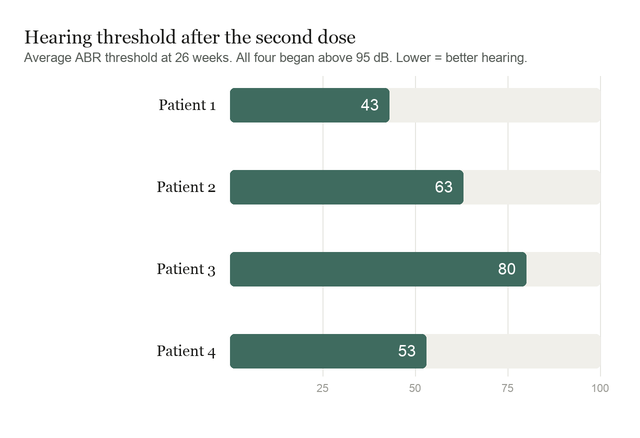
The spread matters as much as the average. One child's second ear ended up detecting sounds well below conversational level; another remained at 80 decibels, which is still a serious hearing loss. The authors are careful about what this adds up to, describing it as follows: These data provide preliminary insights on the safety and efficacy of re-administration of AAV1-hOTOF gene therapy in patients with congenital deafness.
What the study can't say yet
Four children is four children. There is no control group, the trial is single-arm and ongoing, and follow-up runs from 26 to 52 weeks, which is a short window for a treatment whose whole promise is that it lasts. The authors say plainly that longer follow-up and larger groups are needed before anyone can claim repeated dosing is safe and effective.
It is also worth being precise about what was measured. The auditory brainstem response tells you the hearing pathway is carrying a signal at a given loudness. It does not tell you whether a child can follow speech, hold a conversation, or learn language, which is what families actually care about, and which depends on age, training and time. Safety was reassuring but not spotless: adverse events were mostly mild, with one instance of a grade 3 drop in neutrophils, a type of white blood cell. And this was one vector, one gene and one tissue. The inner ear is a small, relatively enclosed space, which may make it friendlier to a second dose than an organ washed in blood.
Quick questions
Why not just treat both ears at once? The first trial gave a single dose to establish safety, which is the usual and cautious order of things. This study addresses the question that leaves behind: whether the second ear can still be reached afterwards.
Does this mean gene therapy can now be repeated for other diseases? Not established. This is one vector delivered into the inner ear, and the authors present it as preliminary. Whether the same holds in organs with heavier antibody exposure is untested here.
What's the one-line takeaway? Four toddlers received a second dose of gene therapy in their untreated ear despite carrying antibodies against the delivery virus, and hearing improved in all four, though with only four children and under a year of follow-up.
Fan et al. "Re-administration of AAV-mediated gene therapy for OTOF-related deafness: a single-arm trial." Nature Medicine, 2026. doi.org/10.1038/s41591-026-04505-4
PubMed PMID: 42362868. Trial registration: ChiCTR2200063181.
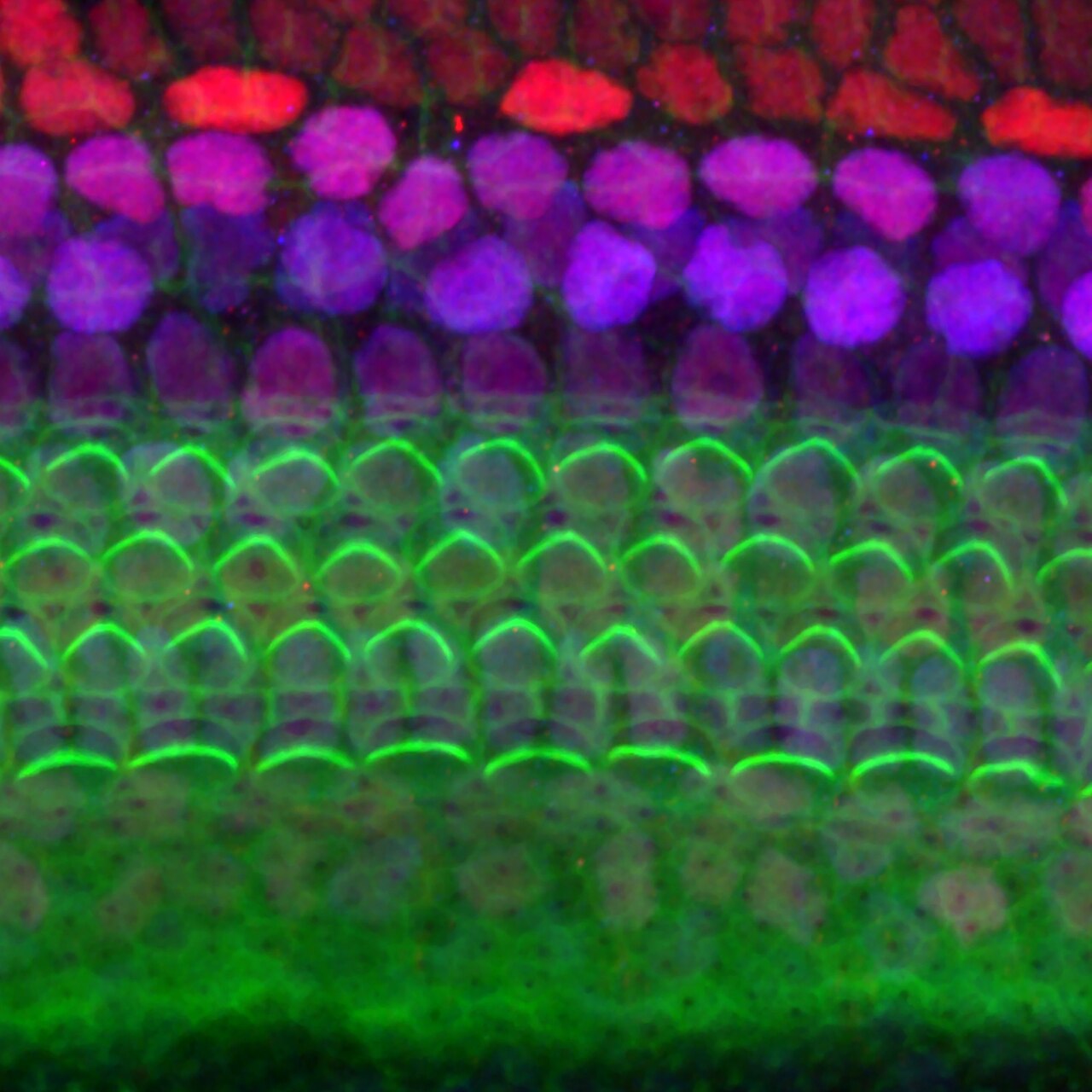
Image: Newborn mouse cochlea, the hearing organ of the inner ear, with stereocilia bundles of the sensory hair cells. NIH Image Gallery, public domain, via Wikimedia Commons.
Comments